Melasma in Indian Skin: Why It Returns and How to Control It Long-Term
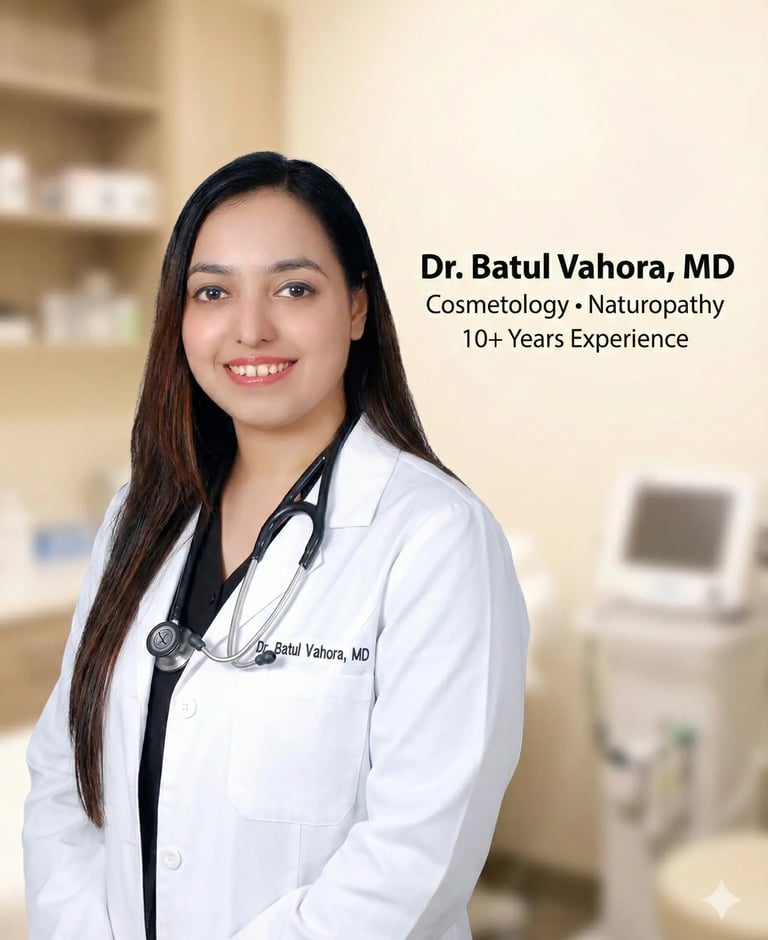
Written by: Dr. Batul Vahora, MD, Internationally Certified Cosmetologist, Naturopathy Expert
1/22/202612 min read

Understanding Your Frustration with Melasma
You've invested time, energy, and money into treating those stubborn brown patches on your face. For a few months, they faded. You felt confident again. Then slowly, almost imperceptibly, they returned. If this cycle sounds familiar, you're experiencing what medical literature describes as one of the most challenging aspects of melasma: its chronic, relapsing nature.
In my fifteen years treating patients at BallDerma Aesthetic Clinic in Mumbai, I've found that understanding why melasma returns is the first step toward managing it successfully. This article shares evidence-based insights combined with practical strategies that have helped hundreds of my patients achieve long-term control over their melasma.
What Makes Melasma Different from Other Pigmentation
Melasma isn't simply "dark spots." It's a complex pigmentation disorder that behaves quite differently from sun damage or post-acne marks. Research in the Indian Journal of Dermatology indicates that facial pigmentation irregularities affect a significant portion of the Indian population, with melasma being one of the most common concerns I see in my practice.
Characteristics That Set Melasma Apart
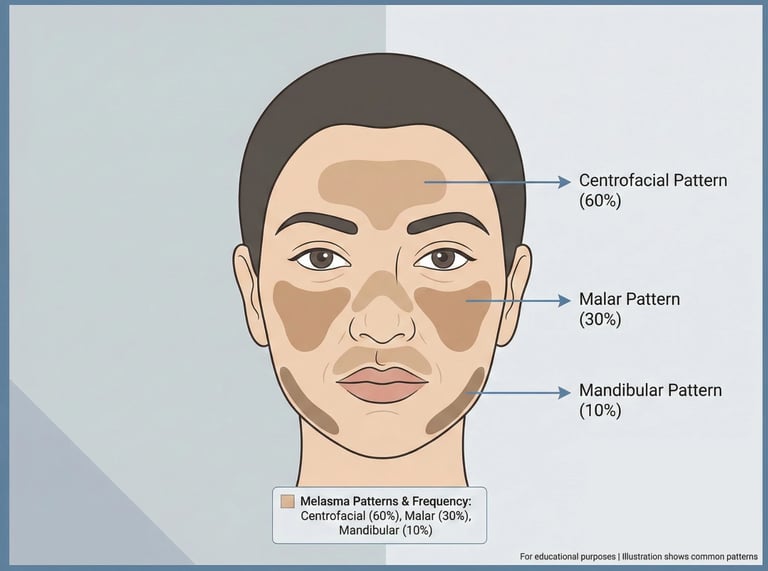
Melasma typically appears as symmetrical patches of brown or grey-brown pigmentation, most commonly on the cheeks, forehead, upper lip area, and sometimes the nose bridge. What distinguishes melasma is its depth—it can occur in the epidermis (surface layer), dermis (deeper layer), or both. This multi-layered nature explains why surface treatments alone often provide incomplete results.
Unlike freckles that remain superficial, melasma involves complex changes in melanocyte (pigment cell) activity at different skin depths. This is why proper diagnosis and a multi-layered treatment approach are essential.
Why Indian Skin Develops Melasma More Frequently
In my clinical experience treating patients from Mumbai's diverse population, I've observed several factors that make Indian skin particularly susceptible to melasma.
Skin Type and Melanocyte Activity
The majority of Indians have Fitzpatrick skin types III through V, meaning we naturally have more active melanocytes. While this provides better protection against certain skin conditions, it also means our melanocytes respond more vigorously to triggers, producing excess melanin that manifests as melasma.
The Visible Light Factor: An Overlooked Trigger
Recent dermatological research has revealed something important: ultraviolet (UV) radiation isn't the only light causing melasma. Visible light—the light we can see from the sun, indoor lighting, and digital screens—can stimulate melanin production in darker skin types more than in lighter ones.
This finding has changed my treatment recommendations. I now specifically prescribe tinted sunscreens containing iron oxide, which block visible light in addition to UV rays. Traditional sunscreens, while important, don't provide complete protection for melasma-prone Indian skin.
Environmental Challenges in Mumbai
Mumbai presents unique environmental challenges for skin health. The combination of heat, humidity, and pollution can all contribute to melasma development and persistence. Heat directly increases skin temperature, which can stimulate melanocyte activity. During monsoon season, many patients notice flare-ups despite reduced sun exposure—this is likely due to the heat-humidity combination affecting skin barrier function.
Hormonal Influences
Hormonal melasma, triggered by pregnancy, oral contraceptives, or hormonal imbalances like PCOD, is particularly common in my female patients. The interaction between estrogen, progesterone, and melanocyte receptors directly influences pigment production. This is why some women develop melasma during pregnancy or while using hormonal contraception.
The Medical Reality: Why Melasma Returns
I always explain to my patients that melasma is a chronic condition requiring ongoing management rather than a condition with a one-time cure. Current medical understanding indicates that even after successful treatment, the mechanisms that produce pigmentation remain sensitized and can be reactivated by triggers.
Multiple Contributing Factors
In my consultations, I've found that melasma rarely has a single cause. Patients typically have several triggers working together:
Environmental factors such as sun exposure (even brief periods), heat exposure from cooking or hot environments, visible light from screens, and air pollution can all contribute. Mumbai's urban environment presents many of these challenges daily.
Hormonal factors including ongoing contraceptive use, pregnancy and the postpartum period, and hormonal imbalances require consideration in treatment planning.
Lifestyle factors such as stress, inadequate sleep, inflammatory dietary patterns, and overly aggressive skincare routines can maintain or worsen melasma.
At BallDerma, my approach combines addressing these triggers with my background in naturopathy, looking beyond just the skin to understand each patient's overall health picture.
Post-Inflammatory Hyperpigmentation Concerns
Indian skin has a tendency to develop pigmentation after any inflammation. Studies suggest that a significant percentage of Indians with acne history develop post-inflammatory marks. This creates a challenge: overly aggressive melasma treatments can cause inflammation, leading to pigmentation that looks identical to melasma.
This is why my treatment philosophy emphasizes gentle, barrier-supporting approaches. My training in naturopathy informs this "minimum effective intervention" principle—using appropriate treatment intensity while always supporting skin barrier health.
The Importance of Maintenance
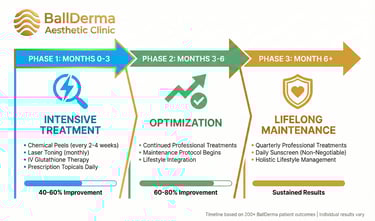
Perhaps the most common reason patients experience recurrence is stopping treatment too soon. After an intensive treatment phase where pigmentation lightens significantly, many patients discontinue all intervention. Without a maintenance protocol, melasma typically returns within several months.
I explain it this way: intensive treatment is like straightening teeth with braces, while maintenance is like wearing retainers afterward. Both phases are essential for lasting results.
The Science of Melanin Production in Melasma
Understanding what happens beneath your skin can help you grasp why melasma requires a comprehensive approach.
The Melanogenesis Process
Melanin production follows a complex biochemical pathway involving tyrosinase enzyme activation, conversion of amino acids, and ultimately, transfer of pigment to skin cells. In melasma, this entire cascade becomes hyperactive. Multiple cellular signaling pathways are dysregulated, creating persistent pigment production.
Beyond Surface Pigment: The Dermal Component
Recent dermatological research has expanded our understanding of melasma. It's not only about excess surface melanin—there are significant changes in the deeper dermis including increased blood vessel formation, presence of pigment-containing cells in the dermis, chronic low-grade inflammation, and altered collagen structure.
This explains why topical lightening creams alone often provide incomplete results. They address surface pigment but not the deeper dermal factors driving ongoing pigmentation.
At BallDerma, our treatment protocols address both epidermal and dermal components. Our IV Drip Therapy program is one way we work from within, delivering antioxidants systemically to address oxidative stress that contributes to melasma.

My Holistic Treatment Approach at BallDerma
What distinguishes my practice is the integration of medical dermatology, aesthetic medicine, and naturopathy. I treat melasma not just as a cosmetic concern but as a manifestation that may reflect internal imbalance.
Initial Comprehensive Assessment
During first consultations, I spend significant time understanding each patient's complete picture:
I review when melasma started, what seems to trigger it, hormonal history, previous treatments and their effectiveness, family history, current medications and supplements, and stress levels and sleep quality.
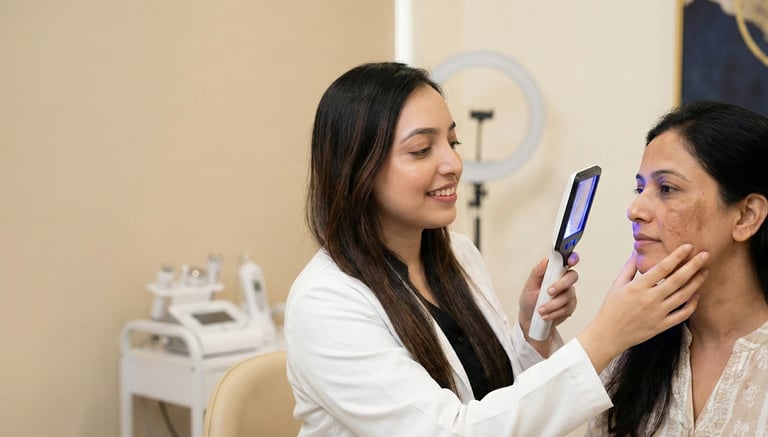
I perform detailed skin analysis using Wood's lamp examination to determine pigment depth, assess skin barrier function, document with standardized photography, and evaluate overall skin health.
I also consider nutritional patterns, digestive health, stress levels, and lifestyle factors including exercise and sleep hygiene.
This thorough assessment allows me to design truly personalized treatment plans rather than applying a generic protocol.
Treatment Protocol Structure
Based on individual assessment, I create a multi-faceted approach:
Topical Prescription Regimen
I typically prescribe a morning routine with gentle cleansing, antioxidant serums (such as vitamin C or niacinamide), and broad-spectrum tinted sunscreen with SPF 50+ containing iron oxide for visible light protection.
Evening routines include gentle cleansing and customized treatment serums. I may prescribe combinations of hydroquinone (used carefully and cyclically), tretinoin for cellular turnover, azelaic acid as a tyrosinase inhibitor, kojic acid or arbutin as natural lighteners, and tranexamic acid for inflammation and pigmentation reduction.
Research supports combination approaches over single agents. However, I'm cautious with certain ingredients in Indian skin, preferring to substitute anti-inflammatory botanical extracts when appropriate based on my naturopathy training.
Professional Treatments
I offer chemical peels customized to individual tolerance, laser toning using conservative settings appropriate for Indian skin, and microneedling with serum infusion to enhance product penetration while stimulating collagen.
An important note about lasers: they require extreme caution in Indian skin due to the risk of post-inflammatory hyperpigmentation. I use conservative settings with appropriate intervals between sessions—a careful approach that prevents rebound pigmentation.
Systemic Support Through IV Therapy
BallDerma offers IV Drip Therapy programs that complement topical treatments:
Our Skin Glow and Pigmentation Drips deliver glutathione (a powerful antioxidant), vitamin C, alpha-lipoic acid, and B-complex vitamins.
Anti-Aging and Skin Elasticity Drips provide collagen support and cellular energy optimization.
Immunity and Stress Support Drips address the stress-pigmentation connection.
These therapies work synergistically with topical treatments, addressing melasma at a systemic level—an approach that reflects our integration of medical and naturopathic principles.
Long-Term Maintenance Strategy
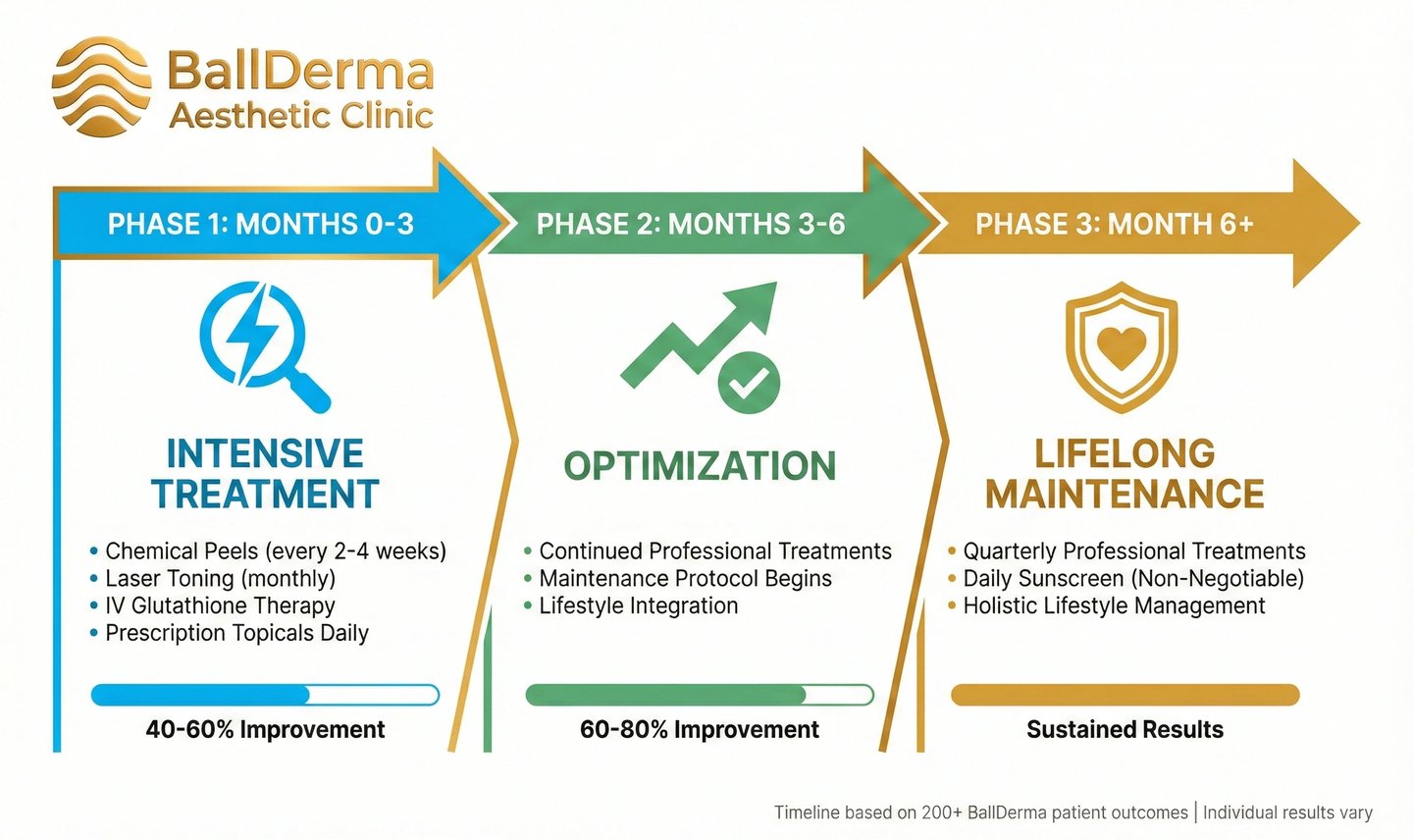
Once significant improvement occurs (typically within three to four months), I transition patients to maintenance protocols:
Topical maintenance includes rotating skin-lightening agents, nightly retinoid use, antioxidant serums, and consistent sunscreen application.
Maintenance treatments involve chemical peels every six to eight weeks, laser toning every two to three months, and periodic IV therapy.
Lifestyle maintenance encompasses stress management, anti-inflammatory nutrition, adequate sleep, regular exercise, and gut health optimization.
Daily Habits for Melasma Control
Long-term success depends on consistent implementation of protective habits:
Comprehensive Sun Protection
Not just any sunscreen will suffice. Based on current research and my clinical experience, I recommend:
Sunscreen with SPF 50+ minimum, broad-spectrum protection, tinted formulation with iron oxide for visible light protection, and PA++++ rating.
Application guidelines are critical: use approximately two finger-lengths of product for face and neck (most people use far less, which explains treatment failure), reapply every two to three hours when outdoors, apply even on overcast days, and apply even when staying indoors due to visible light from windows.
For Mumbai's climate, I suggest keeping sunscreen in your bag for reapplication, and consider mineral powder sunscreen for touch-ups over makeup.
Visible Light Protection
Since visible light triggers melasma in darker skin, additional protection includes using blue-light filters on devices, wearing UV-protective clothing, using umbrellas for sun protection, installing UV-protective film on vehicle windows, and minimizing direct sunlight during peak intensity hours.
Gentle Skincare Approach
Indian skin with melasma benefits from a gentle philosophy: avoid over-exfoliation with scrubs or harsh tools, don't pick or scratch skin, use lukewarm (not hot) water for cleansing, apply products gently, and stop immediately if irritation occurs.
Anti-Inflammatory Nutrition
Dietary choices affect skin health. I encourage patients to emphasize colorful vegetables rich in antioxidants, berries, green tea (which contains compounds that may inhibit tyrosinase), omega-3 fatty acids, probiotic foods, and adequate protein.
I suggest minimizing high glycemic foods (refined carbohydrates and sugar), processed foods, and excessive dairy based on individual hormonal considerations.
Stress Management
Chronic stress elevates cortisol, which can stimulate melanocyte activity. I recommend incorporating meditation or mindfulness practices, regular moderate exercise, ensuring seven to eight hours of sleep, maintaining social connections, and practicing breathing exercises.
Special Considerations for Mumbai Residents
Living in Mumbai presents specific challenges for melasma management:
Commuting and Sun Exposure
Long commutes mean sun exposure through vehicle windows. I suggest applying sunscreen before leaving home, wearing wide-brimmed hats or scarves, sitting away from windows when possible, and reapplying sunscreen mid-day.
Climate Factors
Mumbai's heat and humidity can worsen melasma. Strategies include staying in temperature-controlled environments during peak heat, using facial mists throughout the day, avoiding heat-generating activities during intensive treatment phases, and using cool compresses when needed.
Pollution Impact
Air pollution increases oxidative stress and inflammation. Protection includes double cleansing at night (oil-based followed by water-based cleanser), daily antioxidant serums, considering air purifiers at home, and avoiding outdoor activities during high pollution periods.
Realistic Expectations for Treatment Results
I believe in setting honest expectations with my patients.
Timeline for Improvement
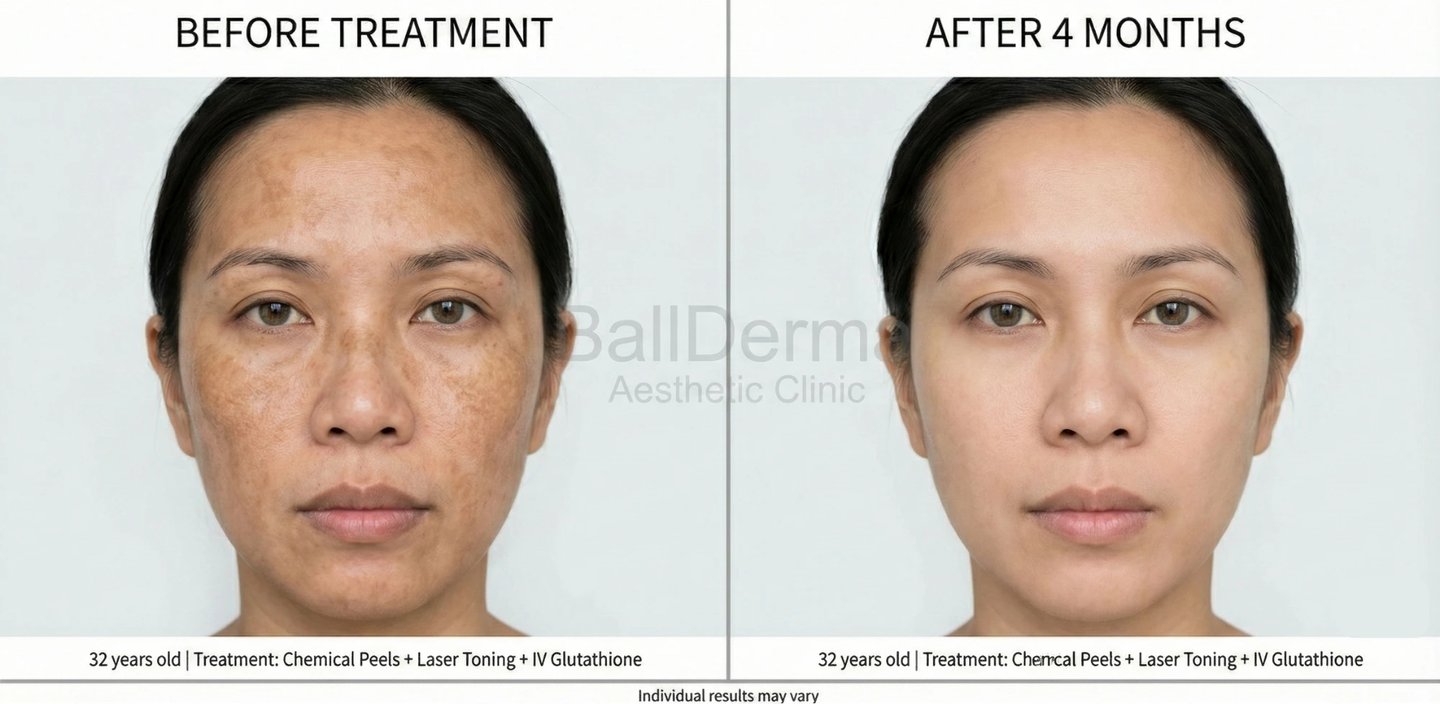
Weeks four to six typically show mild lightening and improved texture. Weeks eight to twelve bring significant reduction (often forty to sixty percent improvement) and enhanced overall skin quality. Months four to six achieve maximum improvement (typically sixty to eighty percent lighter), with treatment focus shifting to maintenance and prevention.
Understanding Success
Complete clearance is uncommon and often not the primary goal. Research and my clinical experience indicate that realistic expectations involve sixty to eighty percent improvement that can be maintained long-term with proper protocols. For most patients, this level of improvement is life-changing in terms of confidence and quality of life.
When to Consider Professional Consultation
Consider scheduling a consultation if you've tried over-the-counter products without improvement, your melasma has returned after previous treatments, you want a comprehensive rather than superficial approach, you're interested in naturopathy-integrated aesthetic medicine, or you prefer personalized rather than generic treatment protocols.
What Distinguishes BallDerma
My unique qualifications—MD in Dermatology, International Cosmetology Certification, and Naturopathy expertise—allow me to offer integrated care combining medical rigor, aesthetic expertise, and holistic wellness wisdom.
We provide advanced laser treatments, professional chemical peels, PRP therapy, IV Drip and Detox programs, customized topical formulations, and long-term maintenance protocols.
Our philosophy emphasizes that beauty involves more than appearance—it encompasses feeling confident, vital, and healthy from within. We don't just treat melasma; we optimize overall skin health comprehensively.
Understanding Treatment Investment
During consultations, I provide transparent information about treatment costs, which vary based on individual needs and customized plans. We offer flexible payment options and treatment packages.
Many patients find that addressing melasma effectively improves their quality of life significantly—the confidence gained from clearer skin extends into personal and professional aspects of life.
Conclusion: Melasma Management Is a Partnership
Melasma isn't a condition you "fix" once and forget. It's a chronic concern requiring ongoing management—similar to conditions like hypertension that can be controlled and maintained at undetectable levels with proper protocols.
With the right approach combining medical treatments, protective habits, lifestyle modifications, and partnership with a knowledgeable practitioner, melasma can be controlled to the point of being virtually undetectable while maintaining clear, healthy skin for years.
At BallDerma Aesthetic Clinic, I specialize in this kind of long-term partnership with patients. My holistic methodology—integrating cutting-edge aesthetic treatments with naturopathic wisdom—offers a sustainable path to melasma control that extends far beyond quick fixes.
Schedule Your Consultation
If you're ready to develop a personalized, comprehensive approach to managing your melasma, I invite you to schedule a consultation at BallDerma.
BallDerma Aesthetic Clinic
101 Solitaire II, Rajanpada Mahal
Near China Link Apt, Opposite Infiniti Mall II
Malad West, Mumbai 400 064
Contact:
Phone: +91 98199 93433 / +91 98199 97833
Email: contact@ballderma.com
Website: www.ballderma.com
Hours:
Monday - Sunday: 10:00 AM - 8:00 PM
Conveniently Located for Residents of:
Malad, Kandivali, Goregaon, Andheri, Borivali, and throughout Mumbai's Western suburbs
What to Expect at Your First Visit
Your initial consultation includes comprehensive skin analysis with Wood's lamp examination, personalized treatment plan designed for your specific skin and circumstances, realistic timeline and expectations, complete cost transparency, lifestyle and dietary guidance, and opportunity to have all questions answered directly.
Frequently Asked Questions
How long does melasma treatment typically take?
The intensive phase usually spans three to four months, with most patients seeing significant improvement within eight to twelve weeks. However, maintenance is ongoing. I work with each patient to establish a sustainable long-term protocol.
Is melasma treatment uncomfortable?
Most treatments are well-tolerated. Chemical peels may cause mild tingling, and lasers might feel like gentle snapping sensations. I use topical numbing when appropriate to ensure comfort.
Will my melasma return after treatment?
Melasma is chronic and can recur, which is why maintenance protocols are essential. With proper ongoing care including sun protection, maintenance treatments, and lifestyle modifications, melasma can be kept controlled for extended periods.
Are these treatments safe for Indian skin?
Yes. I specialize in treating Indian skin types (Fitzpatrick III-V) and use conservative, skin-appropriate protocols to avoid post-inflammatory hyperpigmentation. My approach emphasizes safety and barrier support.
Can I undergo melasma treatment during pregnancy or breastfeeding?
Some treatments must be avoided during pregnancy and breastfeeding (such as retinoids, certain acids, and lasers). However, safe options exist including azelaic acid, physical sunscreens, and gentle peels. I create safe protocols for expecting and nursing mothers.
What makes BallDerma's approach different?
My combination of MD training, international cosmetology certification, and naturopathy expertise means you receive holistic treatment addressing root causes, not just symptoms. Additionally, our IV Drip Therapy program offers systemic support that few aesthetic clinics provide.
How much does melasma treatment cost?
Cost varies based on your customized treatment plan. During consultation, I provide complete cost transparency. Many patients find the investment worthwhile given the significant impact on confidence and quality of life.
References and Further Reading
This article is based on current dermatological research and my clinical experience. For readers interested in scientific literature, relevant research can be found through medical databases including PubMed and in publications such as the Indian Journal of Dermatology.
Treatment recommendations follow current evidence-based guidelines while incorporating my clinical judgment based on fifteen years of practice experience.
Medical Disclaimer:
This article provides general information about melasma and is not a substitute for professional medical advice, diagnosis, or treatment. Every individual's skin is unique, and treatment outcomes vary. Always consult with a qualified dermatologist or medical professional for personalized medical advice. The information presented should not be used for self-diagnosis or self-treatment.
If you have specific concerns about your skin condition, please schedule a consultation for proper evaluation and personalized recommendations.
About the Author:
Dr. Batul Vahora, MD, Internationally Certified Cosmetologist, Naturopathy Expert
Dr. Batul Vahora is the founder of BallDerma Aesthetic Clinic in Mumbai. With an MD in Dermatology, international certification in cosmetology, and specialized training in naturopathy, she brings a unique holistic perspective to aesthetic medicine. Her practice philosophy integrates advanced medical treatments with natural wellness approaches to achieve safe, sustainable results.
Dr. Vahora has treated hundreds of patients with melasma and other pigmentation concerns over her fifteen years of clinical practice. She believes in partnering with patients for long-term skin health rather than providing quick fixes.
Article Information:
Published: January 2026
Last Medical Review: January 2026
Next Review: July 2026
Share This Article:
If you found this information helpful, consider sharing it with others who might benefit from understanding melasma management in Indian skin.
Related Articles You May Find Helpful:
Understanding Pigmentation Types in Indian Skin
The Science Behind Glutathione IV Therapy for Skin Health
Sun Protection Strategies for Mumbai's Climate
Holistic Approaches to Skin Wellness
Ready to Begin Your Journey to Clearer Skin?
Contact BallDerma Aesthetic Clinic today to schedule your comprehensive melasma consultation with Dr. Batul Vahora.
📞 Call: +91 98199 93433 / +91 98199 97833
📧 Email: contact@ballderma.com
🌐 Visit: www.ballderma.com
📍 Location: Opposite Infiniti Mall II, Malad West, Mumbai
We look forward to partnering with you for lasting skin health and confidence.