
Waxing Bumps and Ingrown Hair: Why They Keep Coming Back
Written by: Dr. Batul Vahora, MD, Internationally Certified Cosmetologist, Naturopathy Expert
3/22/20268 min read

Waxing Bumps and Ingrown Hair: Why They Keep Coming Back
You wax, your skin feels smooth for a few days, and then the bumps begin.
Sometimes they look like tiny red spots. Sometimes they feel itchy or sore. Sometimes the hair seems trapped just below the skin, and the area becomes rough, irritated, or darker than before. For many people, this cycle repeats so often that the real problem is no longer just hair removal. It becomes a skin problem.
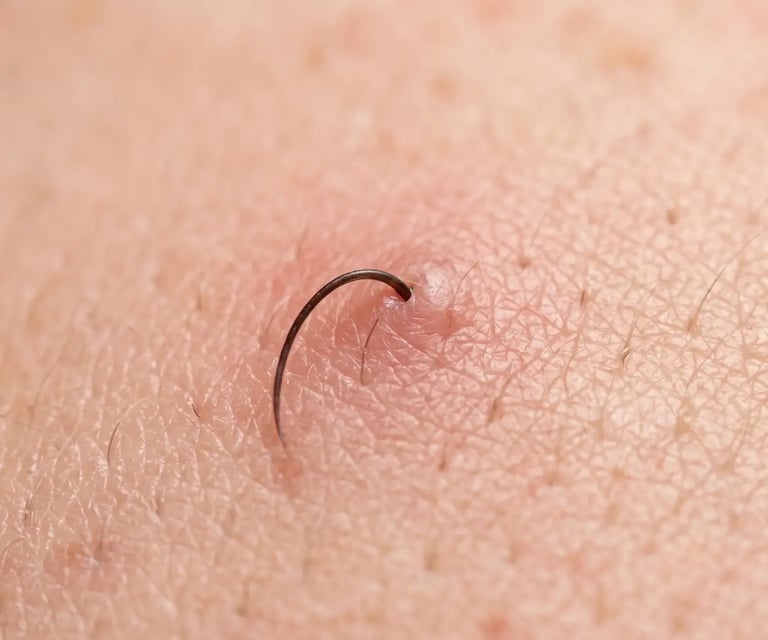
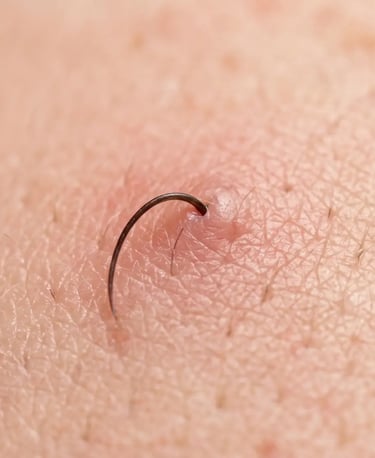
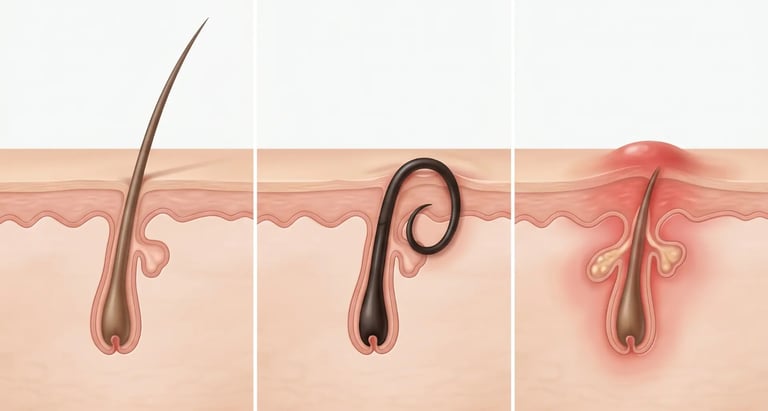
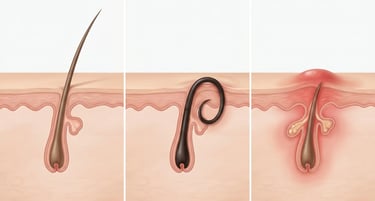
That is why waxing bumps and ingrown hair can feel so frustrating. You remove the hair to make the skin look cleaner and smoother, but the process itself may trigger the very irritation you are trying to avoid. Ingrown hairs happen when a removed hair grows back and curves into the skin instead of growing out normally, and shaving, waxing, and tweezing are all common triggers.
If you live in Mumbai, the issue can feel even more persistent. Heat, sweat, friction, and repeated hair removal often make already-sensitive areas feel harder to manage.
why do waxing bumps keep returning?
Waxing bumps and ingrown hair usually keep coming back because the root cause has not changed. The hair is still being removed repeatedly, the skin barrier is still getting irritated, and the regrowing hair may still struggle to come out cleanly through the skin.
The risk tends to be higher when hair is coarse, curly, or thick, when the skin is exposed to friction from clothing, and when the area is waxed again before it has fully settled. Ingrown hairs are also more common in areas where people routinely remove hair, including the underarms, legs, bikini line, face, chest, and back.
What waxing bumps and ingrown hair actually are
Not every post-wax bump is the same.
Some bumps are simple irritation after hair removal. Some are true ingrown hairs, where the new hair becomes trapped or grows back into the skin. Some may look more like folliculitis, which happens when the hair follicle becomes inflamed and sometimes infected after damage or friction. The American Academy of Dermatology notes that damaged follicles are more vulnerable to folliculitis, and common triggers include shaving-related trauma and friction.
That is why the area can look different from one person to another. One person gets small rough bumps. Another gets painful, inflamed spots. Someone else is left with dark marks that stay longer than the bumps themselves.
Why waxing can trigger this cycle
Waxing removes the hair from the root, but it does not change the way your follicles behave afterward.
As new hairs begin to grow back, some may not rise out of the skin surface properly. Instead, they may curl, get trapped, or re-enter the skin. This is more likely when the hair is naturally coarse or curly, or when the skin surface is irritated or blocked. Mayo Clinic and NHS both identify waxing as a common reason ingrown hairs develop.
For some people, waxing also creates a second issue: irritation. The area may already be sensitive, and repeated pulling, friction, sweat, and product buildup can leave follicles more reactive after each session.
Why some people get more ingrown hair than others
This is the part many people miss.
Ingrown hair is not only about the hair removal method. It is also about the hair itself, the skin, and the way the area is treated afterward.
People with thick, coarse, or curly hair are often more prone to ingrown hair because the regrowing strand is more likely to curve back toward the skin. Tight clothing, repeated rubbing, sweat, and trapped moisture can make it worse. Health direct and Mayo Clinic both note that very curly or coarse hair and friction from clothing can increase the likelihood of ingrown hairs.
This is one reason bumps often persist in areas like the underarms, bikini line, neck, and legs. These are high-friction zones where the skin does not always get a chance to fully recover between hair-removal sessions.
Why Mumbai can make it feel worse
Mumbai’s climate does not directly cause ingrown hair, but it can make irritated skin feel more difficult to calm down.
Heat and humidity increase sweating. Sweat mixed with deodorant, occlusive products, friction, and tight clothing can make recently waxed skin feel more uncomfortable. In people who are already prone to bumps or follicle irritation, this can make the area seem like it is never fully settling before the next round of regrowth begins.
That is why patients often describe waxing bumps as “always coming back,” especially in humid months or when hair removal and sweating happen close together.
The mistakes that often keep the problem going
One common mistake is waxing again too soon because the stubble or uneven regrowth is irritating. Another is picking at trapped hairs or squeezing bumps, which can increase inflammation and raise the risk of marks afterward.
Some people also switch between waxing, shaving, and tweezing depending on convenience, which keeps the follicles under repeated stress. Others use harsh scrubs or strong acids immediately after waxing, thinking more exfoliation will solve the problem quickly. On already-irritated skin, that can make the area feel worse.
When this cycle continues, the skin is not just dealing with hair regrowth. It is dealing with ongoing trauma.
What may help reduce waxing bumps and ingrown hair
The most useful first step is to stop treating every bump as the same problem. Some bumps need time and less friction. Some need gentler skin care. Some need a different hair-removal strategy altogether.
General prevention advice from public-health and dermatology sources includes reducing repeated trauma to the area, avoiding tight friction where possible, and not picking at ingrown hairs. NHS also notes that the most effective way to prevent ingrown hairs is to avoid shaving or similar hair removal when possible, though it also gives practical prevention tips for people who continue removing hair.
For people who repeatedly struggle with ingrown hairs after waxing, the longer-term solution is often not a stronger scrub or better wax. It is reducing the regrowth cycle itself.
When laser hair reduction becomes relevant
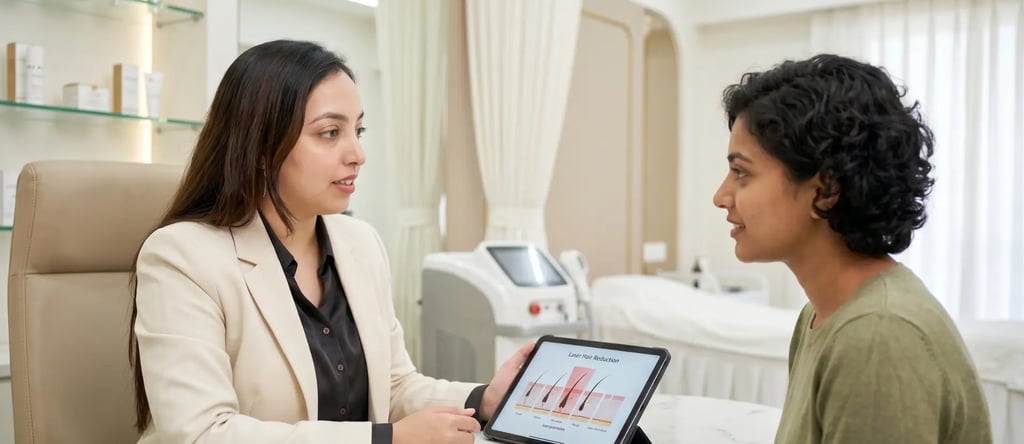
This is where laser hair reduction often enters the conversation.
If the real problem is repeated regrowth, repeated irritation, and repeated ingrown hairs, then a treatment that gradually reduces the amount and thickness of regrowing hair may help reduce the cycle over time. Laser hair reduction is designed to damage the follicle so future hair grows back more slowly and often more finely, which is why many people explore it when they are tired of waxing-related bumps and ingrowns.
That does not mean laser is automatically right for everyone. Suitability still depends on the area, skin tone, hair characteristics, sensitivity history, and a proper clinical assessment.
When to seek professional help
If bumps are becoming painful, leaving marks, looking infected, or repeatedly returning in the same areas, it is worth getting the skin assessed properly.
What looks like a simple ingrown hair to one person may actually be recurring follicle inflammation, post-inflammatory pigmentation, or a pattern that needs a different treatment approach. Mayo Clinic and NHS both indicate that ingrown hairs can become inflamed or infected, and that persistent cases may need medical attention.
Waxing bumps and ingrown hair care at Ballderma Aesthetic Clinic
At Ballderma Aesthetic Clinic in Malad West, Mumbai, the more useful question is not just “how do I remove this hair?” It is “why does this area keep reacting every time I remove it?”
That means looking at the hair type, the pattern of bumps, the degree of irritation, whether the area is developing marks, and whether a repeated waxing routine is keeping the cycle alive. Ballderma’s live site already supports laser services, doctor-led care, and appointment routes in Malad West, Mumbai, which makes this blog a strong entry point for readers who are already frustrated by repeated regrowth problems.
If waxing bumps and ingrown hair keep returning, a consultation can help you understand whether your skin needs gentler care, a different maintenance plan, or a longer-term hair-reduction option.
Schedule Your Consultation
If you're ready to develop a personalized, comprehensive approach to managing your melasma, I invite you to schedule a consultation at BallDerma.
BallDerma Aesthetic Clinic
101 Solitaire II, Rajanpada Mahal
Near China Link Apt, Opposite Infiniti Mall II
Malad West, Mumbai 400 064
Contact:
Phone: +91 98199 93433 / +91 98199 97833
Email: contact@ballderma.com
Website: www.ballderma.com
Hours:
Monday - Sunday: 10:00 AM - 8:00 PM
Conveniently Located for Residents of:
Malad, Kandivali, Goregaon, Andheri, Borivali, and throughout Mumbai's Western suburbs
What to Expect at Your First Visit
Your initial consultation includes comprehensive skin analysis with Wood's lamp examination, personalized treatment plan designed for your specific skin and circumstances, realistic timeline and expectations, complete cost transparency, lifestyle and dietary guidance, and opportunity to have all questions answered directly.
Frequently Asked Questions
Why do I get bumps a few days after waxing?
That often happens because the follicles are irritated after hair removal or because regrowing hairs are starting to get trapped under the skin. Waxing is a known trigger for ingrown hairs.
Are waxing bumps the same as ingrown hair?
Not always. Some are simple irritation, some are ingrown hairs, and some may be inflamed follicles or folliculitis.
Why does this happen more in my underarms or bikini line?
These areas are prone to friction, sweat, and repeated hair removal, which can make bumps and ingrown hairs more likely.
Can waxing cause dark marks?
Repeated inflammation, picking, and ongoing irritation may leave post-inflammatory marks in some people, especially if the skin is repeatedly traumatized. This is a clinical inference based on how follicular inflammation commonly behaves.
Can laser hair reduction help?
For suitable candidates, reducing future hair regrowth may help reduce the cycle of waxing, ingrown hair, and repeated bumps over time.
Medical disclaimer: This article is for general awareness and does not replace a medical consultation. Suitability, triggers, and treatment choices vary by person. Please consult a qualified practitioner for a proper assessment and personalized plan.
References and Further Reading
This article is based on current dermatological research and my clinical experience. For readers interested in scientific literature, relevant research can be found through medical databases including PubMed and in publications such as the Indian Journal of Dermatology.
Treatment recommendations follow current evidence-based guidelines while incorporating my clinical judgment based on fifteen years of practice experience.
Medical Disclaimer:
This article provides general information about melasma and is not a substitute for professional medical advice, diagnosis, or treatment. Every individual's skin is unique, and treatment outcomes vary. Always consult with a qualified dermatologist or medical professional for personalized medical advice. The information presented should not be used for self-diagnosis or self-treatment.
If you have specific concerns about your skin condition, please schedule a consultation for proper evaluation and personalized recommendations.
About the Author:
Dr. Batul Vahora, MD, Internationally Certified Cosmetologist, Naturopathy Expert
Dr. Batul Vahora is the founder of BallDerma Aesthetic Clinic in Mumbai. With an MD in Dermatology, international certification in cosmetology, and specialized training in naturopathy, she brings a unique holistic perspective to aesthetic medicine. Her practice philosophy integrates advanced medical treatments with natural wellness approaches to achieve safe, sustainable results.
Dr. Vahora has treated hundreds of patients with melasma and other pigmentation concerns over her fifteen years of clinical practice. She believes in partnering with patients for long-term skin health rather than providing quick fixes.
Article Information:
Published: March 2026
Last Medical Review: March 2026
Share This Article:
If you found this information helpful, consider sharing it with others who might benefit from understanding melasma management in Indian skin.
Ready to Begin Your Journey to Clearer Skin?
Contact BallDerma Aesthetic Clinic today to schedule your comprehensive melasma consultation with Dr. Batul Vahora.
📞 Call: +91 98199 93433 / +91 98199 97833
📧 Email: contact@ballderma.com
🌐 Visit: www.ballderma.com
📍 Location: Opposite Infiniti Mall II, Malad West, Mumbai
We look forward to partnering with you for lasting skin health and confidence.